| |
 Tank: |
|
| |
|
Of
course the most obvious piece of equipment is going to be a tank
or bowl that not only holds water but lets you have an unobstructed
view of the inside. Tanks and bowls come in a variety of sizes and
shapes to suit most requirements. Most tanks and bowls are available
in either glass or a type of plastic polymer, trimmed in a variety
of colors and textures, thus making the choices plentiful. When
selecting a tank, keep in mind that a smaller tank is not easier
to care for than a larger one. In fact, a larger tank has the same
requirements as a smaller tank, but since it can hold much more
water, it maintains water quality more stable over a period of time.
Since final size decision should depend on the use and location
intended for the tank, consider whether the tank is to be enjoyed
by one person or a whole family, or if it will be placed in a small
bedroom or in a family room. Select the largest possible size that
meets your needs, and select a color trim that matches or compliments
the decor of the surroundings. |
| |
Cabinet or stand: |
|
| |
|
Most
tanks, except for the very small table-top types, have matching
stands available. The stands provide a sturdy and flat surface capable
of holding the combined weight of the tank, gravel and the water
(water alone weighs 8 lbs per gallon). Cabinet type stands can also
conceal fish foods, books and equipment most commonly used to care
for your aquarium. Common home furniture is usually not built strong
enough to support the weight of an aquarium, please exercise caution. |
| |
Light and tank cover: |
|
| |
|
Aquarium
lights provide the illumination that permits viewing of fish
and plants in full color splendor. A tank with lights can
be enjoyed at any time of day or night. Lights are available
in the form of tungsten bulbs or as fluorescent tubes. Fluorescent
tubes are a better choice since they give a more natural color
enhancing light, do not give off excessive heat and have a
longer life. Lights can be purchased individually or as part
of a tank cover-light combo that matches the tank and stand
trim. |
| |
Filter: |
|
| |
|
A
properly functioning filter is of utmost importance in keeping
fish successfully. Filters help maintain the purity of the
water by physically removing debris, and by further neutralizing
waste products through chemical reactions; or bacterial activity.
There are two broad categories of filters, the passive and
the power filters. Passive filters (box filters, under gravel
filters, sponge filters, etc) rely on water being passed through
the filtering media with the aid of an external air pump or
by siphoning action. These filters work relatively well in
smaller tanks (under 15 gallons) or when used in conjunction
with another type of filter. The power filters, as their name
implies, have an integrated pump that suctions water from
the tank and forces it through the filtering material. Power
filters are recommended over passive filters for most aquarium
applications, as they more effective in maintaining optimum
water quality and are easier to care for. Power filters come
in a variety of sizes, always select a filter that will handle
your tank water volume with sufficient capacity. |
| |
Heater
and thermometer: |
|
| |
|
Sudden
changes in temperature, as well as prolonged exposure to cooler
than a particular fish can tolerate are reasons for stress
in fish. To prevent these situations, all tanks require a
heater to keep water temperature constant, and a thermometer
to indicate such temperature. There are two main types of
heaters, the hang-on type and the fully submersible heaters.
Fully submersible heaters are longer lasting than the hang-on
variety as the glass tube that covers the heating element
is rarely exposed to an air-water interface. Most heaters
keep water temperature at an acceptable range by means of
built-in thermostats. The more modern submersible heaters,
on the other hand use solid state technology to electronically
control the temperature at the pre-set level, and also offer
an auto shut-off feature should the heater be inadvertently
taken out of the water. All heaters come rated in watts, to
determine what size heater you need, simply multiply the volume
in gallons of your. tank by 5 to determine the minimum number
of watts required. As with filters, always select a heater
that can handle your tank capacity with sufficient power. |
| |
Air
pump: |
|
| |
|
Fish
breathe oxygen dissolved in the water, and in doing so they
release carbon dioxide just as all other animals do. In order
to maintain a stable concentration of dissolved oxygen in
the water an air pump may be necessary. Air pumps connect
with hoses to air stones, or bubbling devices to provide gentle
aeration to the water. Always connect a check valve in the
main air line to prevent siphoning back if the pump is accidentally
turned off. |
| |
Water
test kits: |
|
| |
|
Test
kits allow you to monitor the condition your aquarium water
at any given time. A fresh water test kit should include at
least reagents to test for pH and ammonia. |
| |
Water Conditioners: |
|
| |
|
Since
the water coming out of our pipes at home is seldom suitable
to sustain aquatic life, water conditioners are needed to
render it safe for aquarium use. A good water conditioner
should effectively neutralize chlorine, chloramines and heavy
metals present in the water. In some areas other conditioners
may be needed to correct some local conditions. Avoid using
filtered water to fill your tank, as some filters may remove
necessary elements present in the water. A different type
of conditioner which will greatly improve the water quality
of your aquarium are the bacterial additives. These provide
much needed beneficial bacteria to help jump start your filters.
|
| |
Gravel,
background and decoration: |
|
| |
|
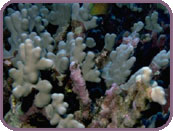
An
aquarium, just as a picture, should always express who you
are or what you like. Gravel, background pictures and decorations
come in different colors, designs and motifs to help you express
your taste and ideas, let your imagination run wild. You will
need a minimum of one and a half pounds of gravel per each
gallon of tank capacity to achieve an nicely sloped and rich
base. |
Once
at home where should I place it?
Placement
of an aquarium at home is an important decision.
To find the right spot you should consider the following factors:
You
can print this page out, or download the entire page on .pdf
here.
If you
do not have Adobe Acrobat get it here.
|
Click HERE
for our aquarium maintainance sheet

|
|
|
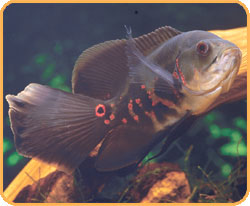
 Locate it in a room where it serves the purpose you originally
intended it for. A family aquarium will be best placed in
a den or family room, while a decorative piece should most
likely stay in the living room or the office.